


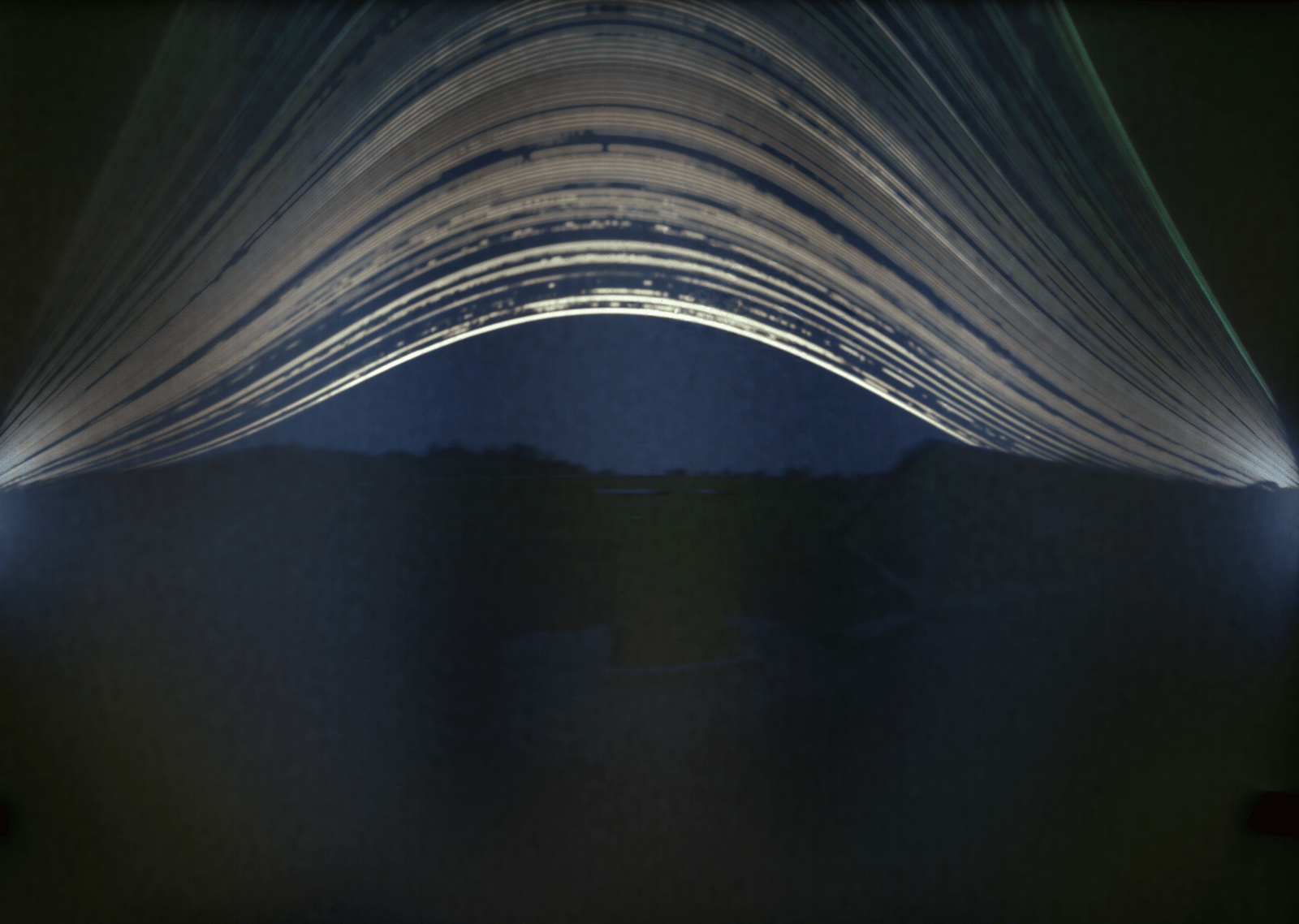
Key Facts
Credits: 6
Dates: July 12, 2026 - August 1, 2026
Locations: Appleton, Björklunden, London
Areas of Study: Natural Sciences, Physics, Art History, English
Application Fee: $300
Tentative Schedule
Week 1
Location: Appleton Campus
Overview:
M-F Morning Lectures – Example Topics:
- Modern cosmos / 18th-cen. Cosmos / Medieval Cosmos
- Instruments, Then and Now
- A Clockwork Universe?
- Time and the Heavens
- Creation Stories and Theories
- Notions of Space, Time, and Matter
M-F Afternoon Activities – Morning Topics:
- Visualizing the Cosmos across Eras
- Cosmos in Literature
- Let’s do some Math!
- Time and Calendars
- They wrote WHAT?
- Measuring the Cosmos
Evening Activities Possibilities:
- Movies
- Lunar Journals
- Constellations/Planets/Stars sky gazing
Week 2
Location: Björklunden
Overview:
M-F Morning Lectures – Example Topics:
- Cosmos and Embodiment
- · The Heavens without Instruments
- · The World as our Laboratory
- · We are Stardust
M-F Afternoon Activities:
- Discussions and Reflections
- Preparing for London!
Evening Activities:
- Movies, telescope, and binocular viewing
Week 3
Location: London
Overview: London includes site visits, behind the scenes tours, and collections in the morning. The afternoon session will be hosted in classrooms where students will return to reflect on their experiences, share their thoughts and questions, and engage in conversations. A considerable amount of walking during site visits and tours can be expected—comfy shoes recommended.
Get to Know Your Professors

Dr. Megan Pickett is an award-winning associate professor of physics at Lawrence University. She earned a B.A. in physics at Cornell University in 1988, and a Ph.D. in Theoretical Astrophysics from Indiana University in 1995. She was a research fellow at NASA’s Ames Research Center until 1999, after which she taught at Valparaiso University and Purdue University, before joining Lawrence in 2006.
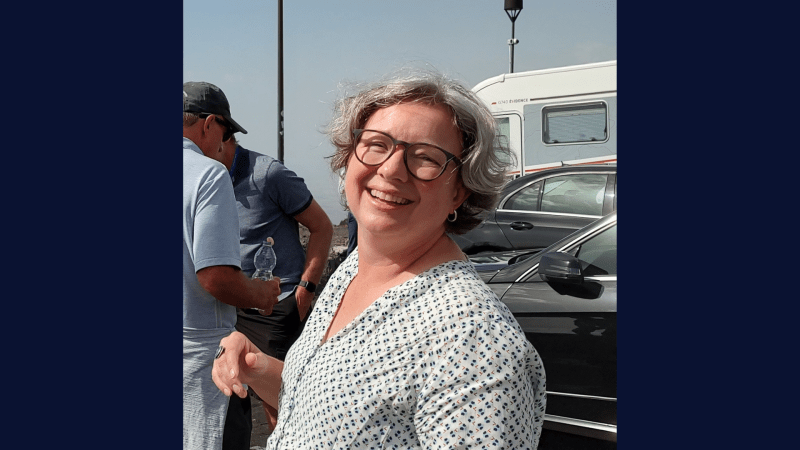
Danielle B. Joyner is a Medieval Art Historian whose work explores intersections among arts, sciences, and the natural world. After publishing a book on a twelfth-century manuscript made by and for cloistered women, Painting the Hortus Deliciarum: Medieval Women, Wisdom, and Time (Penn State University Press, 2016), her focus shifted to medieval landscapes, gardens, and representations of "Terra" (the earth).
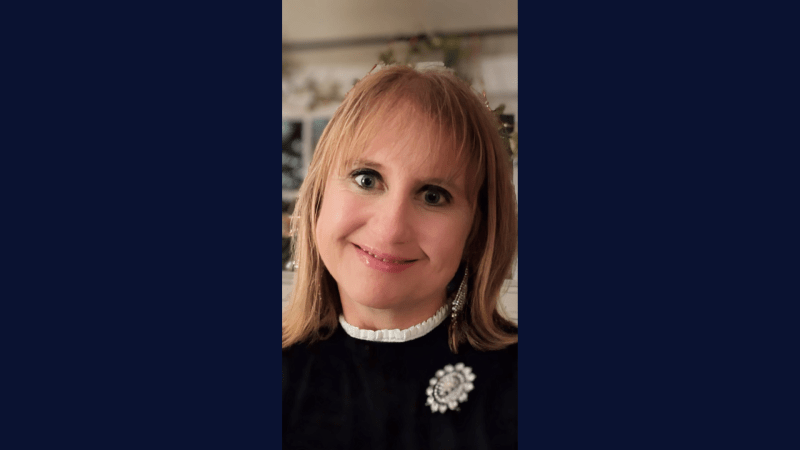
Celia Barnes teaches courses in early modern and eighteenth-century British literature and culture. When not happily immersed in the worlds of long-dead writers, Celia can usually be found in her kitchen experimenting with new recipes—or binge-watching true-crime shows until she's too terrified to sleep.