


Key Facts
Credits: 6
Dates: July 12, 2026 - August 1, 2026
Locations: Appleton, Björklunden, London
Areas of Study: Health Sciences, Natural Sciences, Biology, History, and Statistics
Application Fee: $300
Tentative Schedule
Week 1
Location: Appleton Campus
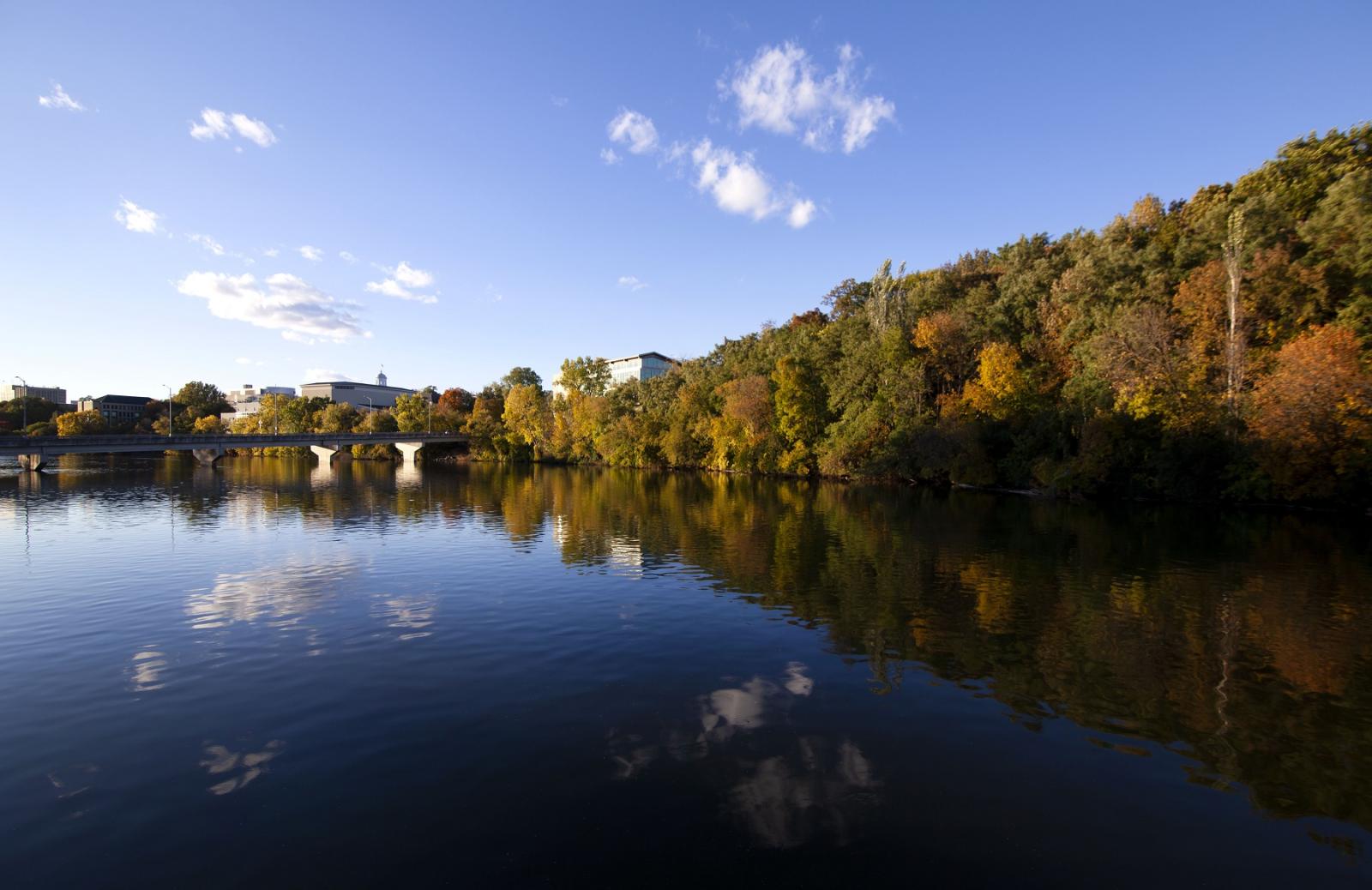
Overview: Students begin with laboratory methods, microscopy, and plating, anchored by sampling and analyzing microbial communities from the Fox River. Parallel sessions introduce early theories of disease and the rise of quantitative health records.
Week 2
Location: Björklunden
Overview: Students expand their analysis to Lake Michigan, comparing its microbial signatures with the Fox River to explore how different water systems influence ecosystems and human health. Historical role play (1349: Plague Comes to Norwich) and early statistical methods bring context to population health.
Week 3
Location: London
Overview: Building on U.S. waterway comparisons, students study London’s historic and modern responses to disease. Site visits to places like the Broad Street Pump, Florence Nightingale Museum, London School of Hygiene & Tropical Medicine; highlight how data and environment inform public health.
Get to Know Your Professors
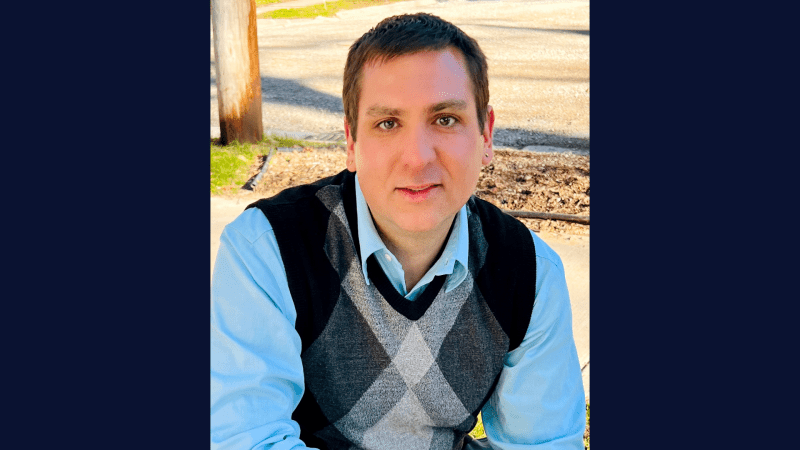
Brian Piasecki is an associate professor of Biology and Neuroscience at Lawrence University. He is a molecular and cellular biologist whose research program uses the nematode C. elegans to investigate how tiny cellular structures called cilia support sensory perception in mammals, including within the nervous system.
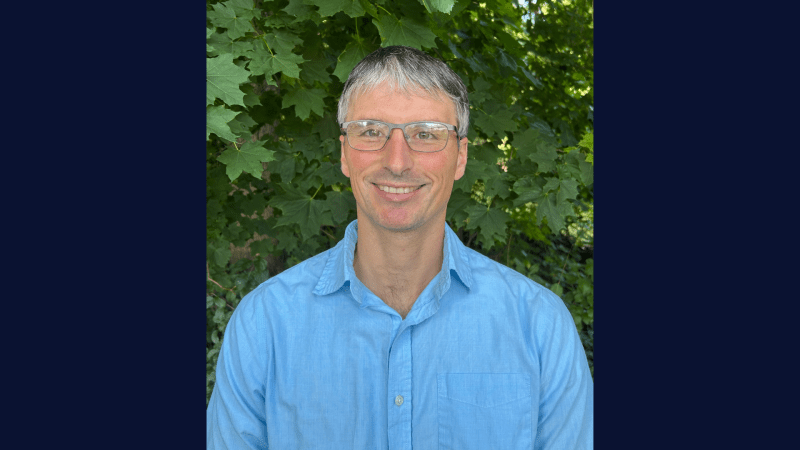
Andrew Sage is an associate professor of statistics at Lawrence University. His research focuses on developing and applying statistical models and machine learning algorithms for data analysis. He has published articles with applications in data science, educational policy, neuroscience, and psychology. Outside the classroom, he enjoys world travel, growing fruit trees, and playing fetch with his dog, Lily.
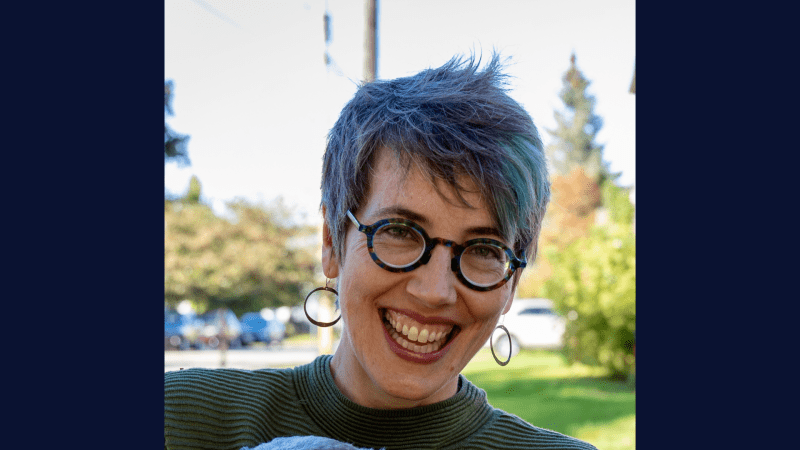
Brigid E. Vance (Associate Professor of History) at Lawrence University has won accolades for her engaging pedagogy. Her teaching and research interests include: East Asia, the Silk Roads, the history of science and medicine, and dreams. Brigid's article, "Finding Their Voice: Student Podcasts on the East Asian Collection at Lawrence University’s Wriston Galleries” (The History Teacher 2021) won the 2022 American Historical Association William and Edwyna Gilbert award for the best essay on teaching history.