

Program Overview
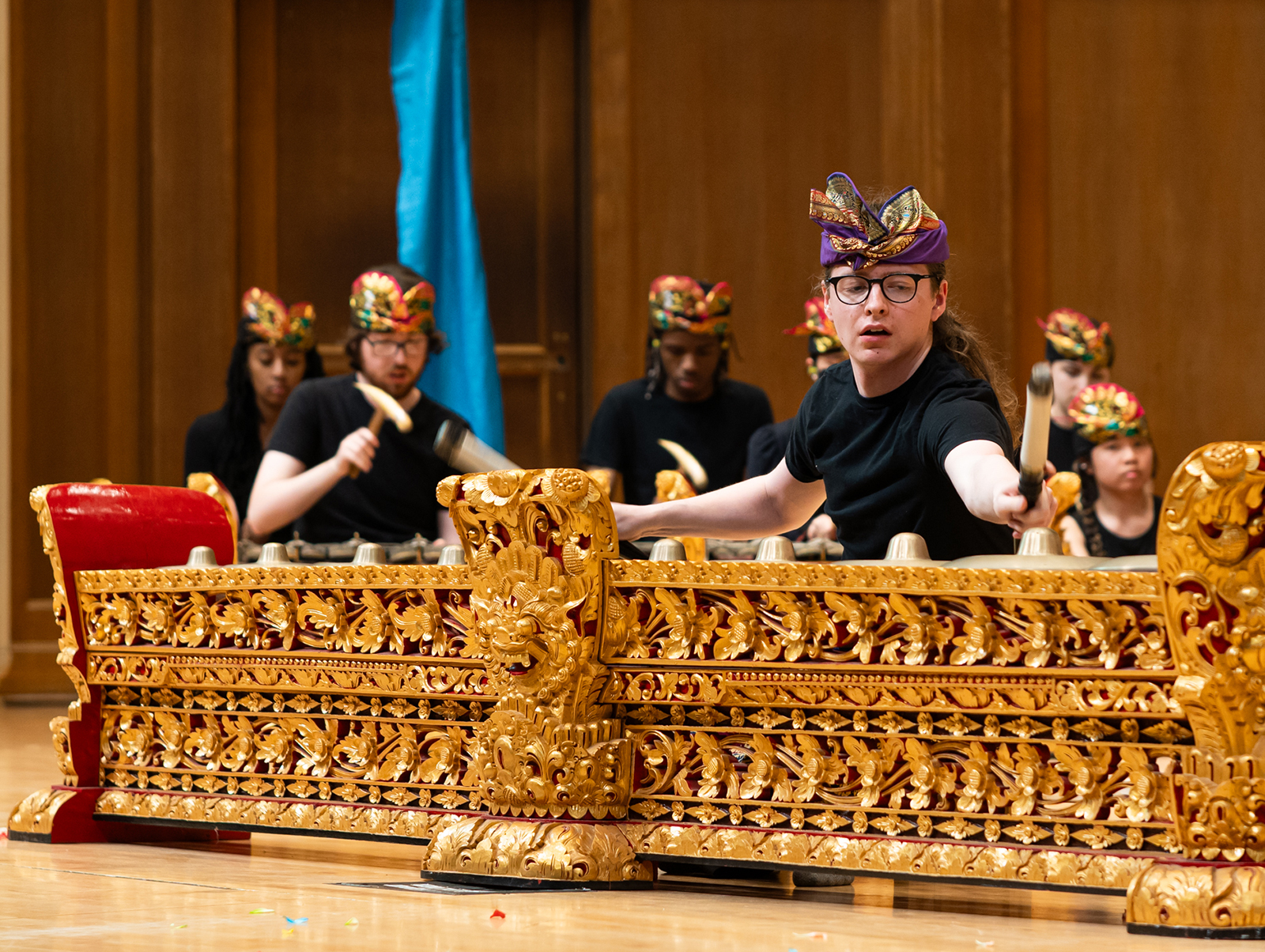
In musicology courses at Lawrence, you will delve into questions about why and how music has mattered to people in a variety of different times and cultures. You will investigate the multitude of ways in which people engage with music. You will think about where and how meaning happens in relation to musicking and how that meaning might function and change. You will consider the ways that your personal experiences might influence the way you process and respond to a specific soundscape or musical practice or ideology. You will ask questions, consider multiple perspectives, and explore ambiguities.
Program Highlights
Explore Music Across Time and Culture
Study topics ranging from early music and globalization to disability, gender, sound recording, and other areas shaping how music is understood.
Connect Music with Broader Ideas
Engage with interdisciplinary coursework that reflects the diverse interests, experiences, and artistic goals of Lawrence music students.
Bring Research into Performance
Use your research skills to make informed repertoire choices, write engaging program notes, and create stronger connections with audiences.
Listen with Curiosity
Develop the perspective to approach music from any tradition, genre, or period with open ears and thoughtful inquiry.
Types of Degrees
Musicology is the only program to reach all music majors in all degree programs. Many musicology courses are also open to non-music majors.
Advising
At Lawrence, academic advising helps you shape an educational experience that reflects your interests, goals, and aspirations. Your faculty advisor will support you as you plan your path, connect with campus resources and communities, and make informed decisions that prepare you for a meaningful and fulfilling future.
Faculty
The musicology faculty will challenge you to think from multiple angles, to think through new perspectives, to embrace nuance and complexity. Our classes are spaces for collaborative learning, in which we encourage openness, observation, and reflection.
All Faculty
-
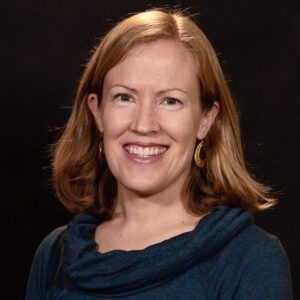
Sonja Lynn Downing (she/her/hers)
Associate Professor of Ethnomusicology
I am an ethnomusicologist with research interests in Balinese gamelan music and dance, traditional music pedagogy, the intersection of gender and performance, and ecomusicology. My book Gamelan Girls: Gender, Childhood,…
View Full Profile -

Sara Gross Ceballos (she/her/hers)
Associate Professor of Music
My research focuses on 18th-century keyboard music in performance, and I have published and presented on musical portraiture in keyboard works by Domenico Scarlatti and François Couperin, and on sympathetic…
View Full Profile -

Julie McQuinn (she/her/hers)
Professor of Music
I teach courses on Claude Debussy, opera, film music, music and gender, music and memory, music and the fairy tale, and music and disability. My teaching converges with my research…
View Full Profile -

Erica J. Scheinberg (she/her/hers)
Visiting Assistant Professor of Music
erica.j.scheinberg@lawrence.edu
I teach the core musicology sequence MUCO 211-212 (Introduction to Musicologies) and two 100-level musicology courses: Big Works, Big Questions and History of Popular Music in the United States. I…
View Full Profile -
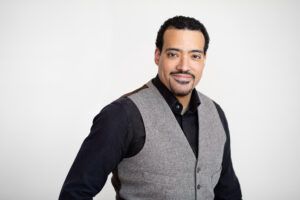
Christopher S Jenkins
Dean of the Conservatory
christopher.s.jenkins@lawrence.edu
In July of 2025, I became the Dean of the Lawrence Conservatory of Music. What excites me the most about Lawrence is the incredible creativity and passion of our faculty…
View Full Profile
Learning Spaces
We were one of the first programs in the US to design a new type of introductory course to replace the limited and outdated chronological survey of Western classical music. Lawrence’s new two-term core sequence, Introduction to Musicologies, no longer positions as central the repertoire of the Western classical canon. Instead, students encounter an assortment of music topics and case studies drawn from various times, places, and cultures. We provide students with opportunities to discover their own musical assumptions and values; to grapple with questions about musical meaning; to contemplate how discourses about music marginalize and empower; to explore how performance and scholarship might inform one another; to embrace nuance and complexity. We emphasize the ways that music scholars do research, make arguments, use writing, interpret cultural practices, and construct histories.
