
Some ideas are meant to be submitted, graded, and filed away. Afrovest began as an academic project, but a group of students built it into something more. The story began for Lawrence while CEO Nana Barwuah and a handful of students, including Lawrence’s own Max Huddleston ’26, were studying abroad at Oxford, where their friendships quickly grew.
After Nana completed her thesis, a greater opportunity arose: the chance to connect promising African Companies with global investors, operators, and institutions capable of supporting their growth.
Without an established organization or a ready-made playbook, the students began imagining a platform that could bring entrepreneurs, investors, academics, and government leaders into the same room. They had trust in one another, a common goal, and the willingness to carry an idea beyond the classroom. Afrovest grew from that decision.
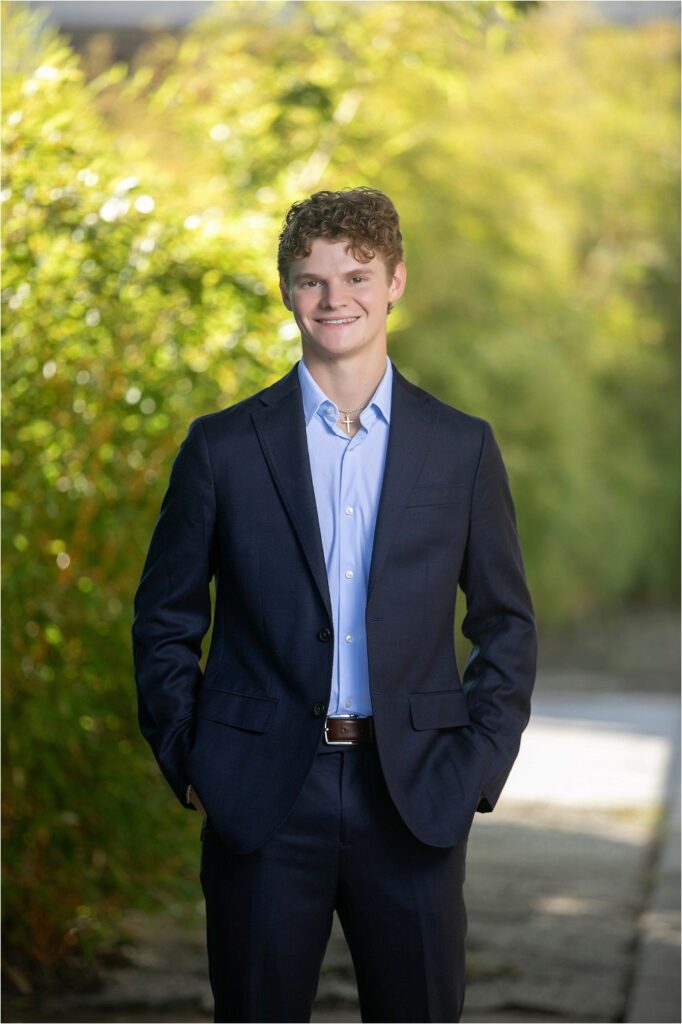
Huddleston came into the picture later, after Afrovest had established its early goals. Those early friendships he made at Oxford turned into much more. After joining Afrovest, he helped turn those ambitions into a working organization and advance plans for Afrovest’s inaugural summit. The work drew on qualities Lawrence had helped him develop: interdisciplinary curiosity, careful listening, clear storytelling, and the ability to connect people across institutions and borders. Building Afrovest has required the team to translate a shared purpose into practical choices each day: whom to invite, which companies to feature, and how to create conversations that continue long after participants leave the room.
“What motivated me was the incredible opportunity to help turn a bold idea into something real and impactful,” said Huddleston. “From the beginning, I was excited by Afrovest’s potential to connect the African diaspora with entrepreneurs and investment opportunities across the continent. Building an organization that can create meaningful relationships, unlock capital, and contribute to long-term economic growth is something I genuinely believe in—and that made every ounce of time and energy worthwhile.”
Today, Afrovest is a 501(c)(3) nonprofit that connects high-growth African companies with global investors and strategic partners. Its approach remains personal. Rather than creating another conference, the team is building a carefully curated setting where entrepreneurs can be understood on their own terms and meet partners whose interests align with their ambitions. The organization’s work still reflects the instinct that brought the students together: progress begins when people choose to meet, listen, and take one another seriously.
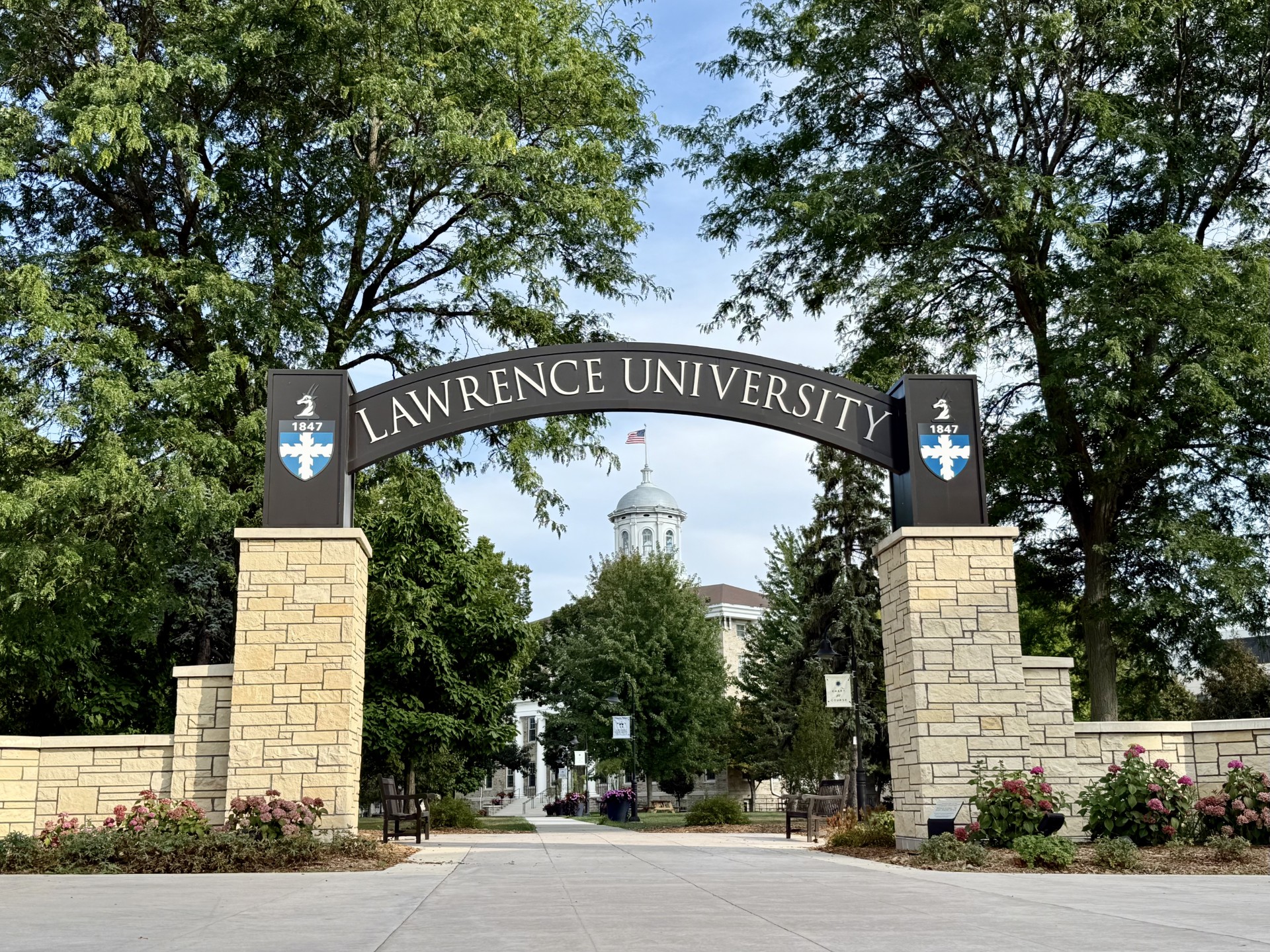
That vision will take a major step forward this November at Afrovest’s inaugural summit in Accra, Ghana. Participants will come from Africa, North America, Europe, and the Middle East. Vetted companies in agriculture, fintech, renewable energy, artificial intelligence, infrastructure, and trade and logistics represent more than $100 million in active capital-raising opportunities. Lawrence University is serving as an academic partner alongside Princeton University and Northwestern University. President Laurie A. Carter has supported the partnership for its potential to strengthen the student experience and drive positive academic outcomes.
“The Summit offers a powerful platform for our business and entrepreneurship students to gain exposure to the development and scaling of companies across key sectors,” shared President Carter. “Experiences like these are essential in preparing students for competitive, globally engaged careers by providing real-world context, professional networks, and insight into emerging markets.”
The figures illustrate Afrovest’s scale, but its center remains human. It began with students studying abroad, one thesis, and a willingness to ask whether an academic idea could live beyond the page. Huddleston and others joined the effort and helped carry those early goals forward. What started as a student project is now creating a place for people from around the world to meet, a reminder that meaningful change often begins before anyone has a title, a blueprint, or certainty, when people decide to build together.