
Program Overview
Your Brain Is Waiting to Be Understood
Every thought, feeling, movement, memory, and dream begins with the brain and nervous system. From breathing and learning to imagining and creating, neuroscience asks how it all works.
At Lawrence, neuroscience brings together biology, chemistry, psychology, and computational tools to explore the brain, behavior, and the nervous system. Through a strong core curriculum, hands-on research opportunities, and close faculty advising, you’ll build the foundation to pursue graduate study, medicine, biotechnology, research, or other paths connected to the science of the brain.
Because neuroscience also intersects with literature, music, art, and human experience, Lawrence offers a broad and flexible setting for studying one of the world’s most complex systems.
Program Highlights
Faculty-Mentored Research
Many neuroscience majors develop valuable research skills through close collaboration with faculty on ongoing neuroscience research.
Hands-On Experience with Advanced Methods
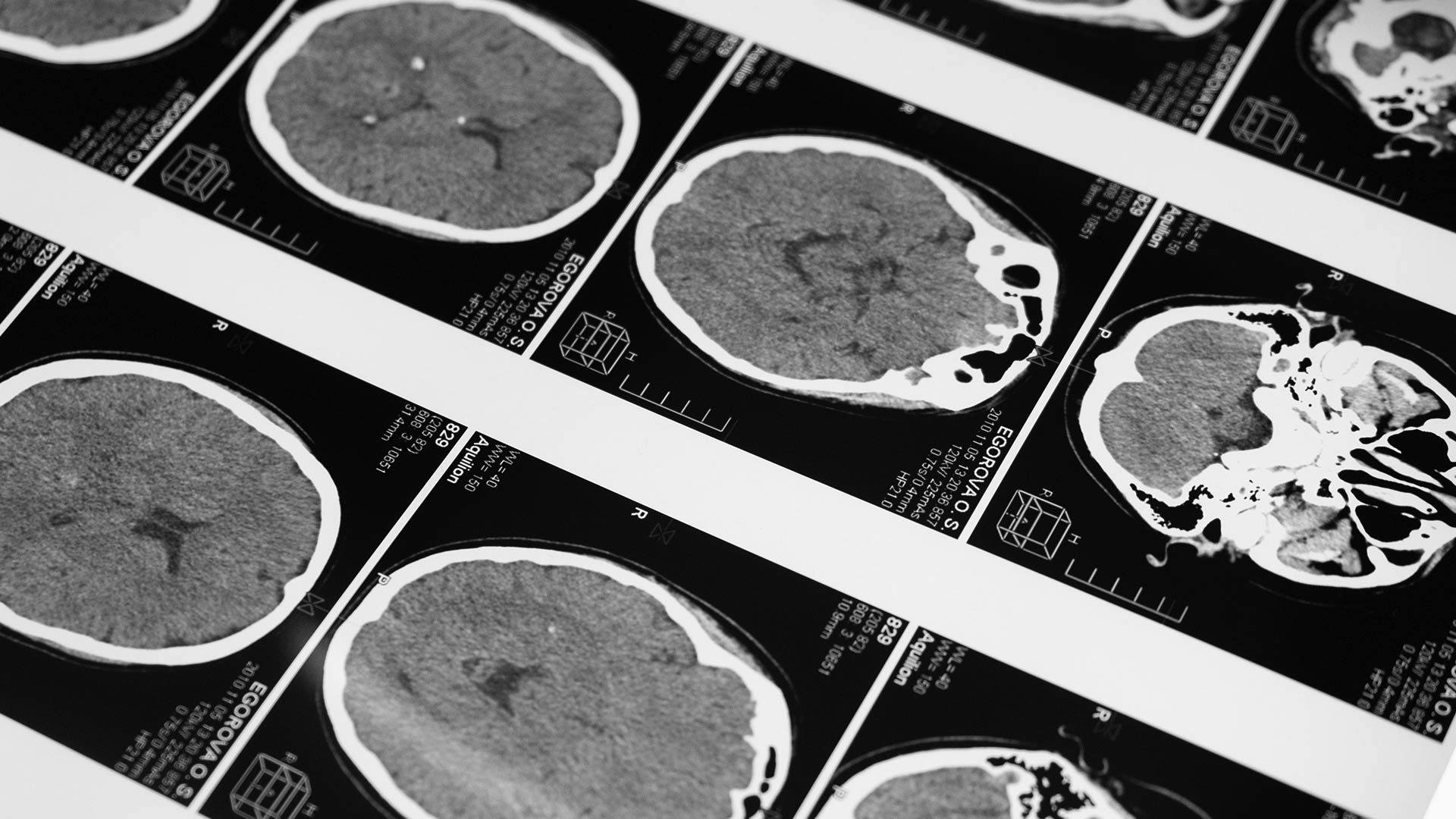
Gain hands-on experience in courses using advanced methods such as neuroimaging, rodent brain surgery, advanced microscopy, EEG, and behavioral testing.
Preparation for Graduate Study and Careers
Neuroscience majors gain the skills and experiences needed to enter graduate programs, biotechnology, research, and related fields after graduation.
Transferable Communication and Professional Skills
Throughout the curriculum, you’ll develop effective communication and professional skills that prepare you to share complex scientific ideas clearly and confidently.
Spotlight

Student Perspective
“I chose Lawrence primarily because it was a small school, and I knew that there were a lot of opportunities for undergrads. For example, as a freshman, I got into a neuroscience research lab, and I’ve been working there ever since. Most schools don’t have that opportunity open to freshmen, let alone undergrads in general.”
Jessica Smith ‘26
Biochemistry, Neuroscience
Mesa, Arizona
Types of Degrees
Students can pursue a Bachelor of Arts in Neuroscience, with options to focus on areas such as behavior, cognition, molecular neuroscience, or pre-health pathways. Students can also enhance a major in another field by adding a minor in Neuroscience.
Advising
At Lawrence, academic advising helps you shape an educational experience that reflects your interests, goals, and aspirations. Your faculty advisor will support you as you plan your path, connect with campus resources and communities, and make informed decisions that prepare you for a meaningful and fulfilling future.

Faculty
Engage deeply and collaboratively with professors who are experts in their field and committed to supporting your education.
Chair(s)

Nancy A. Wall (she/her/hers)
Associate Professor of Biology
Nancy Wall joined the biology department in 1995. Her academic area of expertise is developmental biology with a primary interest in early neural development. In addition to teaching and research…
View Full ProfileAll Faculty
-

Brian P. Piasecki (he/him/his)
Associate Professor of Biology
Trained as a molecular and cellular biologist, I am interested in linking basic cellular mechanisms to broader evolutionary and developmentally relevant processes. For example, observations made largely within the past…
View Full Profile -

Chunyue Teng (she/her/hers)
Dennis and Charlot Nelson Singleton Assistant Professor of Cognitive Neuroscience
My lab explores the cognitive neuroscience of visual cognitive functions, focusing on areas such as visual attention, visual working memory, and cognitive control. Our research program addresses three fundamental questions:…
View Full Profile -

Elizabeth A. Becker (she|her)
Associate Professor of Neuroscience and Special Assistant to the President
elizabeth.a.becker@lawrence.edu
Dr. Becker is a behavioral neuroendocrinologist studying the neural and hormonal mechanisms of social behavior. Of particular interest, is how early life experiences including parental behavior and drug exposure impacts…
View Full Profile -

Judith Humphries (she/her/hers)
Professor of Biology
Research Interests My research focuses on the freshwater snail, Biomphalaria glabrata, an intermediate host to the parasite Schistosoma mansoni. Specifically, my lab studies a family of transcription factors (NFkappaB) in…
View Full Profile -
Nancy A. Wall (she/her/hers)
Associate Professor of Biology
Nancy Wall joined the biology department in 1995. Her academic area of expertise is developmental biology with a primary interest in early neural development. In addition to teaching and research…
View Full Profile
Learning Spaces
Students work alongside faculty in dedicated research labs using professional-grade equipment, research techniques, and model systems.
Equipment and Methods
Neuroscience students may gain experience with tools and techniques such as confocal microscopy, EEG, stereotaxic surgery, behavioral testing, and cellular and molecular methods.
Confocal microscopy produces high-resolution 3D images of cells and brain tissue. EEG records real-time electrical activity from the human brain. Stereotaxic surgery allows precise procedures on rodents to study specific brain regions. Behavioral testing helps reveal how animals and people think and make decisions. Cellular and molecular techniques uncover the building blocks of the nervous system.
Research Areas
Faculty and student research explores areas such as behavioral neuroendocrinology, human visual cognition, sensory cilia, and neural development.
Behavioral neuroendocrinology examines the connection between hormones, stress responses, and social behavior. Human visual cognition investigates how the brain processes what we see. Sensory cilia research studies the tiny hair-like structures that help animals sense their environment. Neural development explores how neurons know where to go and what to connect to.
Model Systems
Students may work with model systems such as Biomphalaria glabrata, C. elegans, Danio rerio, and Peromyscus californicus.
